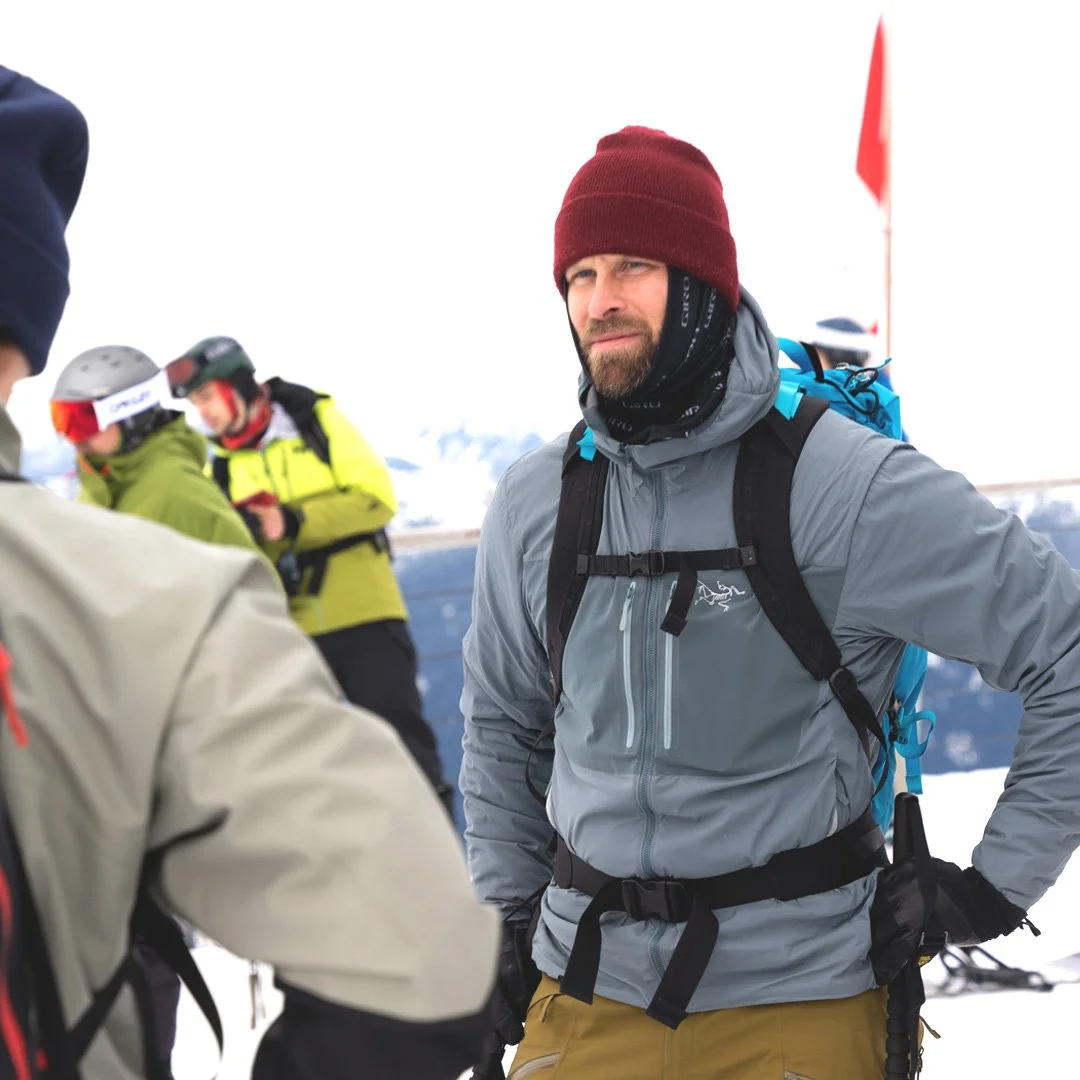
Stronger With Age: A Mountain Athlete’s Comeback
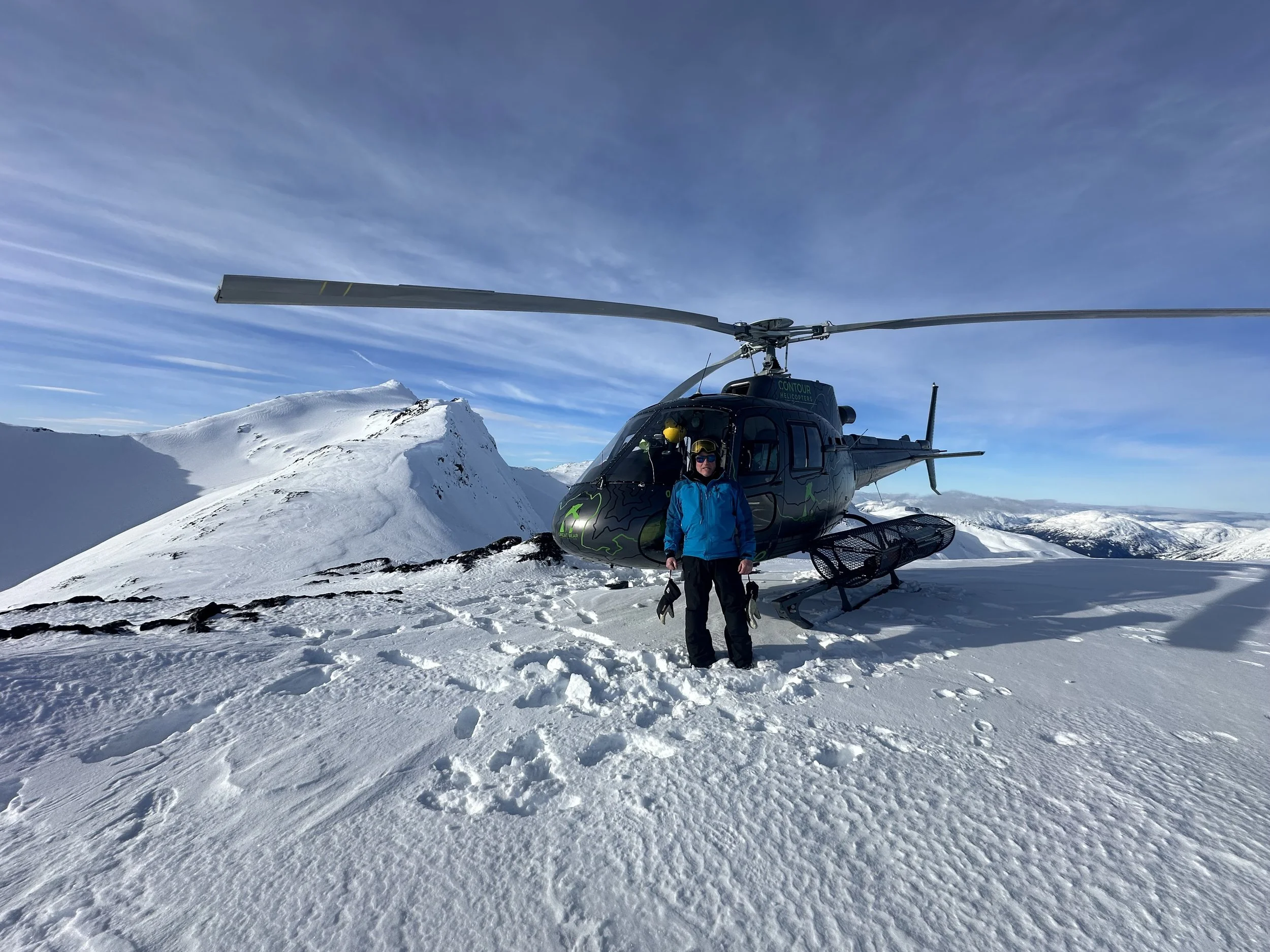
Bella Coola, Great Bear Heli Skiing
When he first walked into the Ibex Project, he carried two things: a deep love for the mountains, and a body that no longer felt capable of keeping up.
At 67 years old, he was the knHelied of outdoorsman most people aspire to become. A weekly resort skier, a regular in the ski touring skin track, a hiker, a fly fisherman, a man whose backyard is the mountains… literally. He and his wife live on a large, rugged property that he maintains himself, hiking and cross-country skiing straight from home. For decades, his “training” had simply been the activities he loved. Little strength work, almost no structured conditioning. Just pure passion, and a remarkable engine built through years outside.
But passion can’t always outrun physiology.
The Injury Landscape
His knees had been nagging him for years. A right knee scope in 2019. A left knee scope scheduled for December 2024 that he hoped, desperately, to avoid. Add to that an ongoing fight with lymphoma, rounds of chemo in the summer, and the understandable fear that maybe his best mountain days were behind him.
His goal was simple, honest, and deeply human:
“I just want to ski and hike without pain again.”
Before we began, I made it clear how we would work together:
“I see this as a long-term relationship. I can guide you through this early rehab phase, through the ski season, and into the hiking season—but the real peak is next year’s ski season. That’s the target. And with success there we continue stacking bricks for the future”
He nodded. He was all in.
Building the Foundation: Intentionality
Because his strength-training background was minimal, we started with the basics: foundational isometrics. Squats. Split squats. Intentional positions. Building tissue tolerance. Establishing capacity. Creating a foundation, not just for the season ahead but for the rest of his life in the mountains.
As his confidence and control grew, we layered in isotonic strength, gradually biasing the ranges and positions his knees struggled with most. Eventually, we introduced progressive plyometrics, carefully dosed, intentionally challenged, and designed to help him express strength dynamically again.
There were moments when he questioned the movements … “Can I do that?” And yes he experienced discomfort. I coached him through all that his body was experiencing and modified the activities and dosages as needed. Moments when he wondered if the sensations were red flags or simply the feeling of his body being pushed in new ways. During our weekly or biweekly sessions, we often worked through that together: what’s expected, what’s safe, what’s productive, and how to truly listen to his body instead of fearing it.
By Spring 2025, his consistency earned him the right to do more, we added a fourth training day each week on top of the three workouts, skiing/hiking and targeted mobility work. Through a summer filled with travel, we built hotel-friendly sessions that kept him progressing even between flights. He spent a week fly fishing in rugged terrain and returned grinning: “My knees felt better than they have in years.”
The Turning Point: Consistency Counts
Eight weeks into training, just eight, he told me something that surprised even him:
“My muscles are tired, but my joints and tendons feel good. I haven’t felt that in a long time.”
Two weeks later, at the 10-week mark, he boarded a heli for a ski trip he thought he might never take again.
He came back amazed, not because he survived it, but because he thrived. Despite last season’s knee pain. Despite having chemo the previous summer. Despite being 67 and surrounded by younger athletes.
He kept up with the “kids.”
And by spring 2025, something remarkable happened: he was able to avoid the planned meniscal surgery entirely.
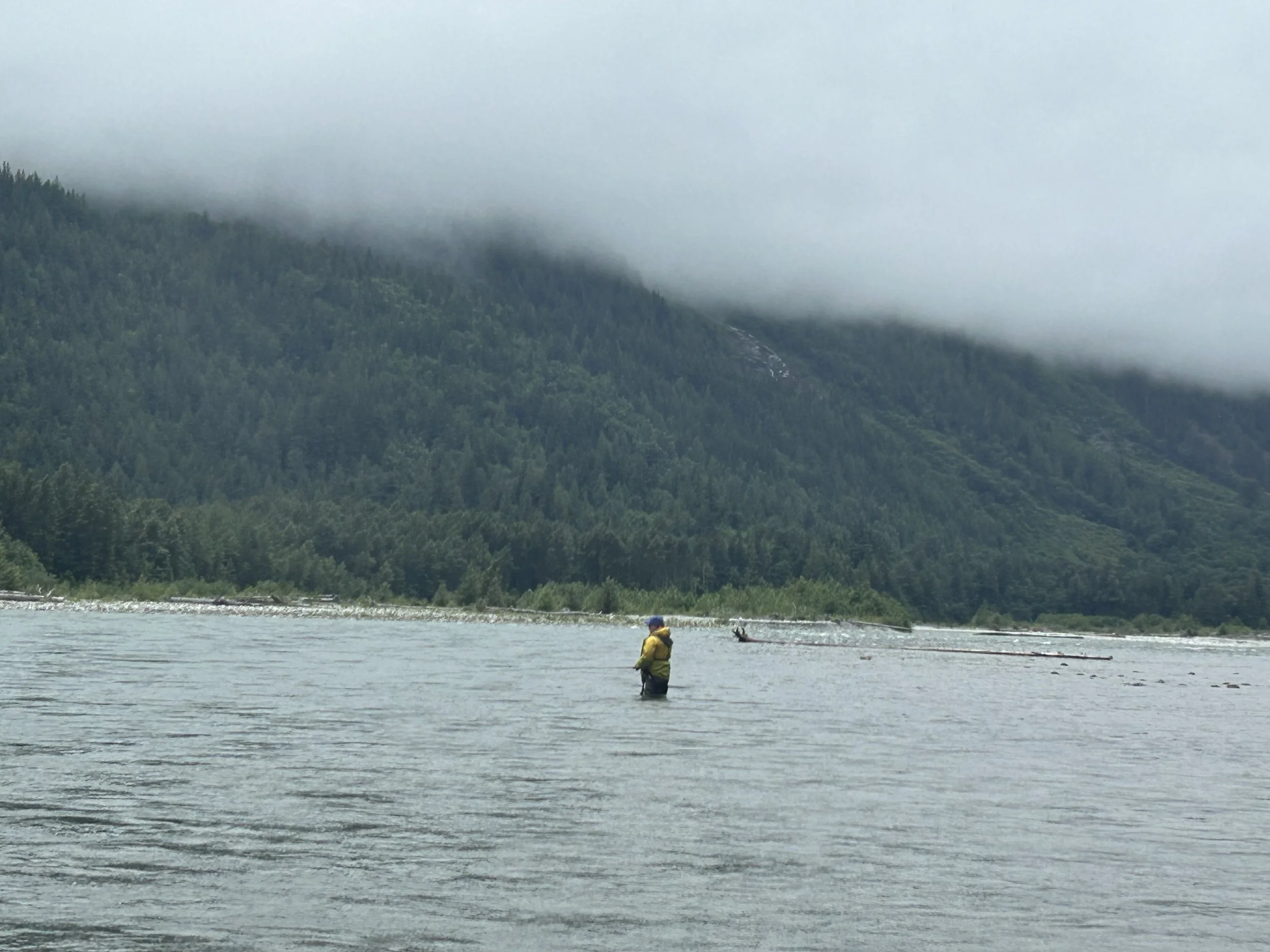
Bella Coola, Lower Dean River Lodge
Outcomes That Matter
Today, he skis better than he has in a decade. His knees feel strong. His confidence is back. He moves through the mountains with capability, not caution.
For him, success wasn’t a single moment. It was a seasons-long arc of consistency, clarity, progressive stress, and trust in the process. It was refusing to let age, injury, and a cancer diagnosis define what was possible.
And in the end, it was proof, once again, that with intentional training and the right guidance, the mountain athlete’s story doesn’t end when pain shows up.
Sometimes, that’s where the next chapter begins